Restoring Soft Tissue Movement
We carefully separate fascial tissue that has become stuck together and restricted in movement using a cannula and needle knife.
SURGICAL ADHESION RELEASE
Swelling and marks left by facial contour surgery and lifting procedures— we use ultrasound to identify the layers of adhered tissue and carefully release them.
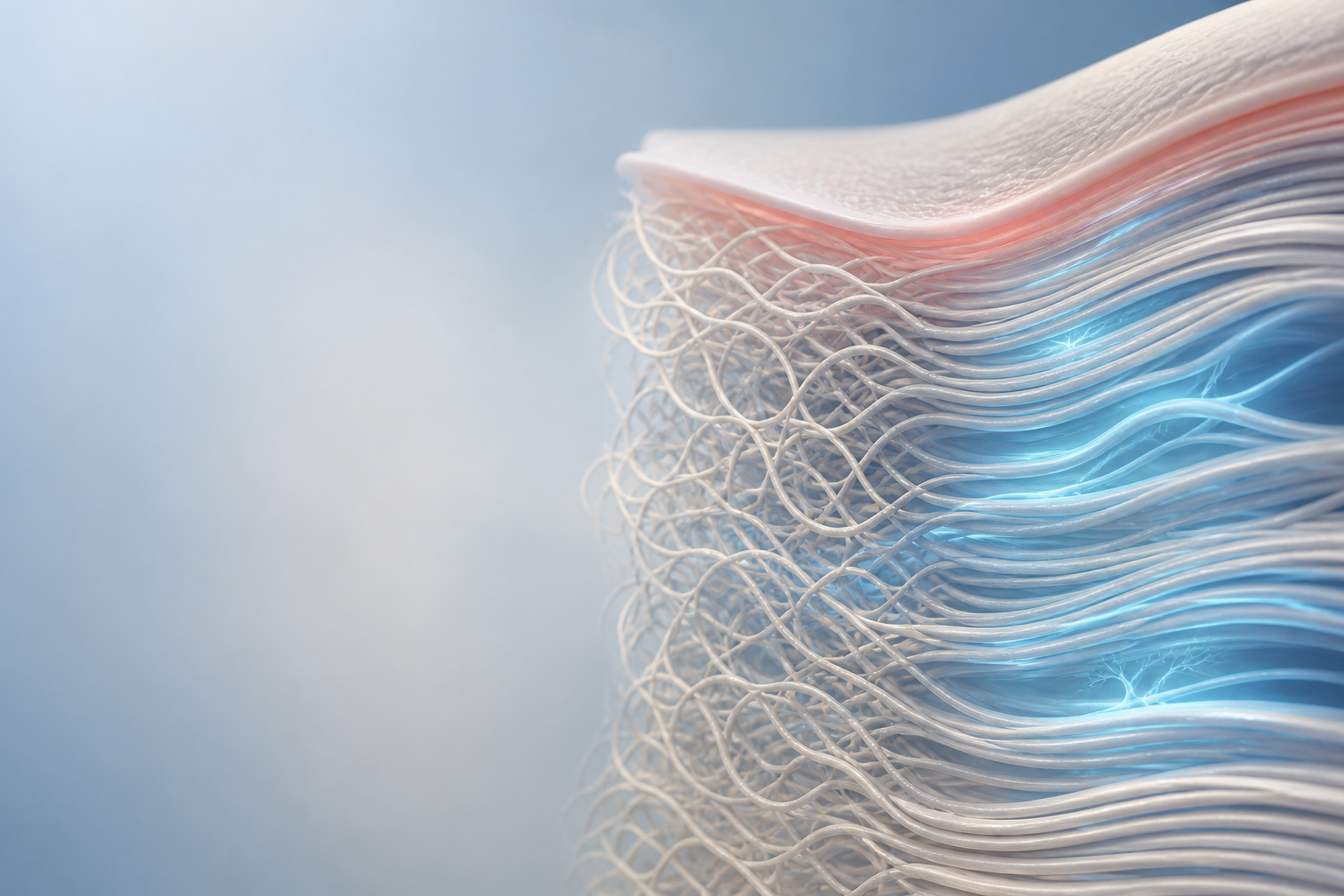
POST-SURGERY ADHESION
Adhesions occur when tissues such as the skin, fat, and fascia abnormally bind together as they heal after surgery or a procedure.
Tissue adhesions may cause the following symptoms:

ULTRASOUND DIAGNOSIS
Adhesions can be difficult to assess accurately by appearance alone.
Even when they look similar on the surface:
The underlying causes may differ.
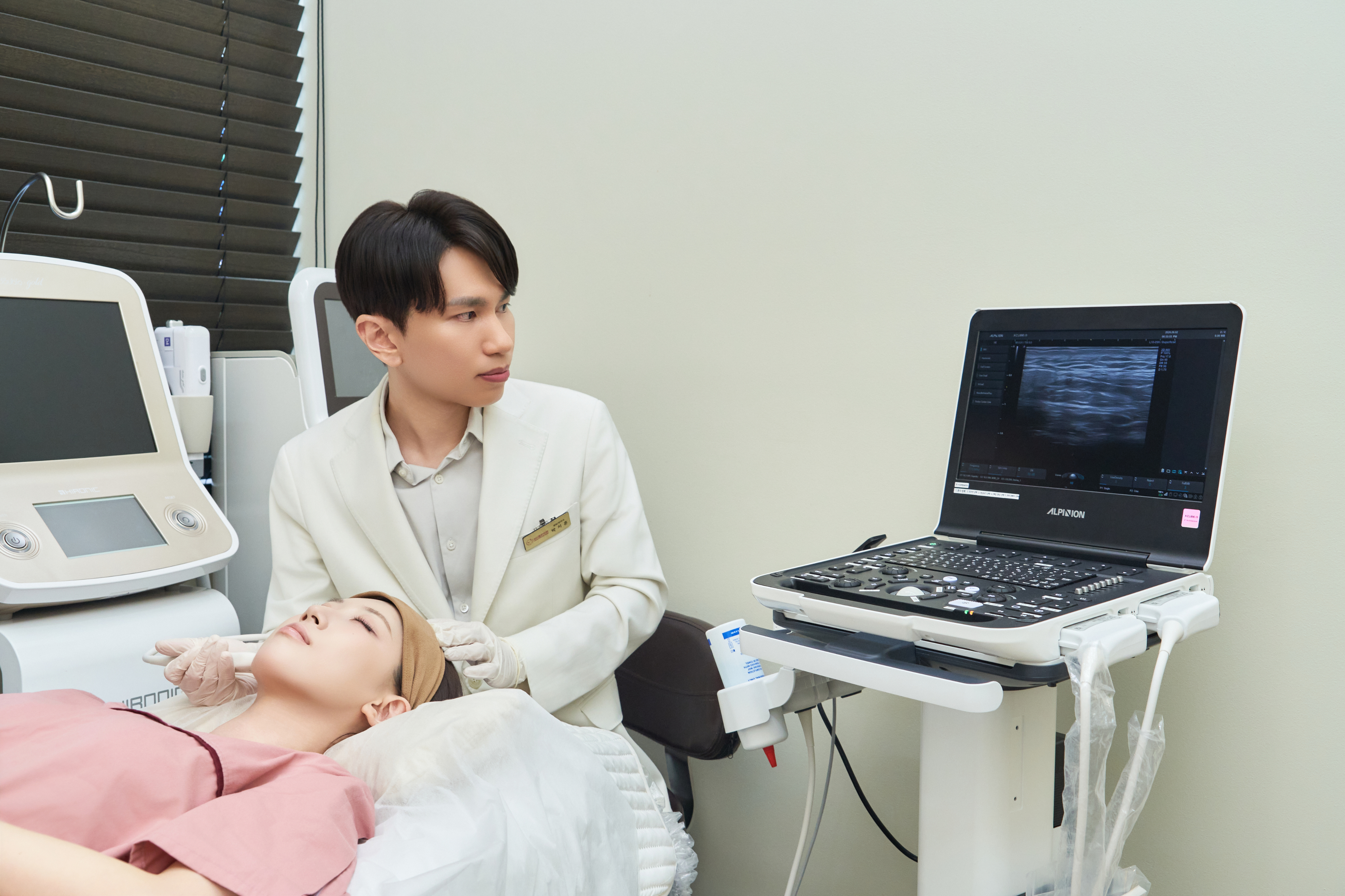
We use the high-resolution ALPINION X-CUBE i9 ultrasound system to assess the skin, fat, fascia, and muscle movement, identifying areas that may need treatment.
TREATMENT EFFECTS
Persistent adhesions and swelling after facial contour surgery may require assessment beyond simply waiting for recovery.
We locate fascial adhesions between muscles and carefully separate them using a cannula and needle knife, with attention to surrounding vessels.
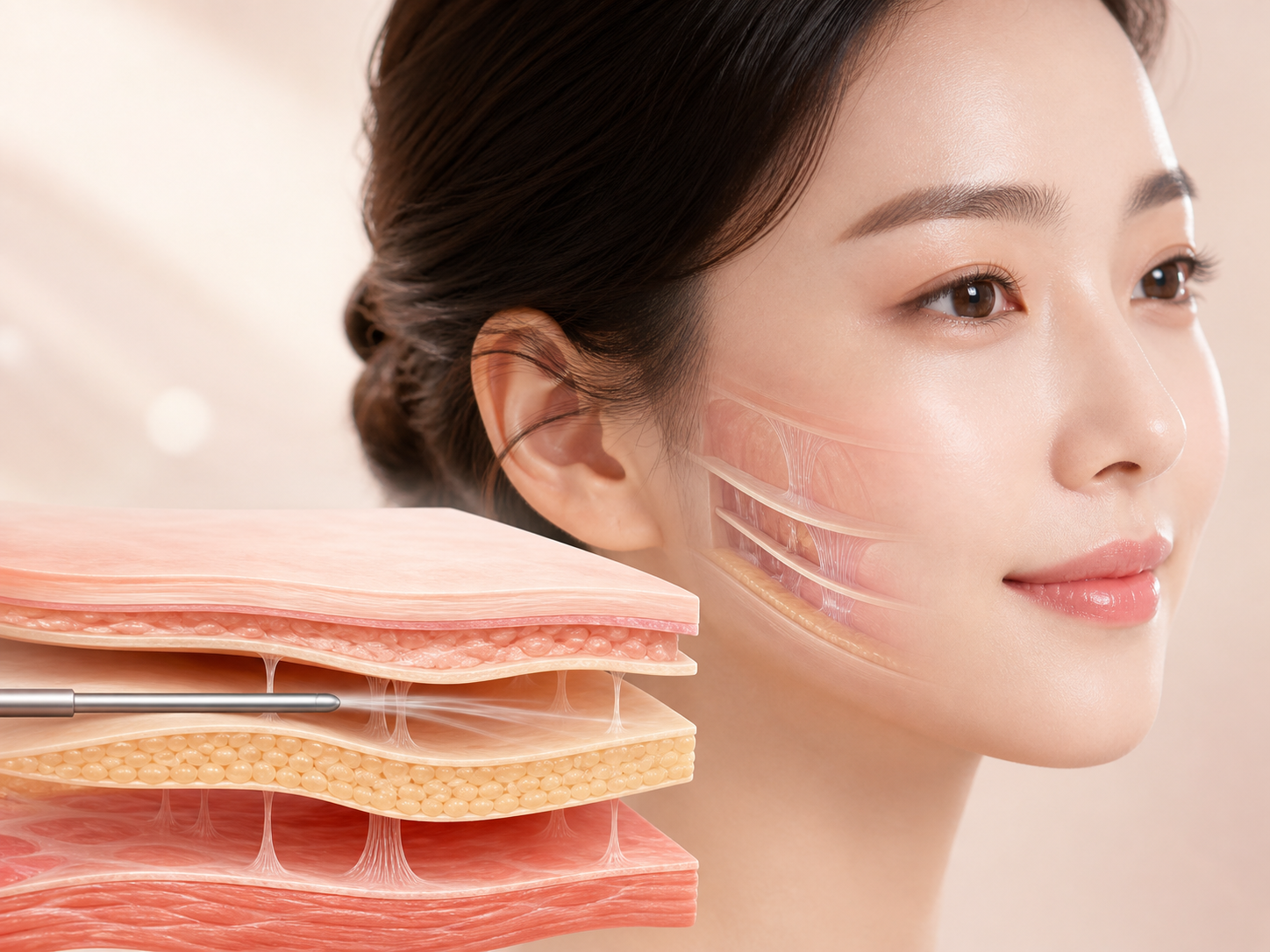
We carefully separate fascial tissue that has become stuck together and restricted in movement using a cannula and needle knife.
We relieve skin tightness, stiffness, and indentations caused by adhesions, helping improve the discomfort they have caused.
We consider the condition of the facial expression muscles and left-right facial balance to help restore natural movement.
TREATMENT PROCEDURE
Diagnostic ultrasound is used to assess the condition of the facial skin, fat, fascia, and muscles.
We determine the appropriate direction and extent of release based on the location of the adhesions.
We assess the tissue depth at the adhesion site and release only the necessary areas.
RECOMMENDED FOR

Q&A
Treatment timing and methods may vary depending on the type of surgery, stage of recovery, and the location, thickness, and extent of the adhesions.
Tissues may adhere to one another as a surgical wound heals. Excessive adhesions may form after surgeries that involve extensive tissue dissection, such as facial contour surgery, and can cause tightness, restricted muscle movement, and facial asymmetry.
An accurate assessment is needed if a particular area feels tight when you smile or speak, your expression looks unnatural, your skin feels pulled to one side or attached to the bone, you have pain when pressing the area, or the tissue feels hard.
Treatment timing depends on the type of surgery and your recovery. In general, if symptoms persist about one month after surgery, we assess your stage of recovery and tissue condition to determine an appropriate time for treatment.
After locating adhesions with ultrasound, we use a cannula to safely separate the tissues. Swelling care and treatment for facial asymmetry may also be combined as needed to help restore muscle movement and facial balance.
Long-standing adhesions are not necessarily difficult to treat. The treatment method and duration may vary depending on the extent and severity of the adhesions and the type of surgery. We assess the tissue condition with ultrasound and develop an individualized treatment plan.